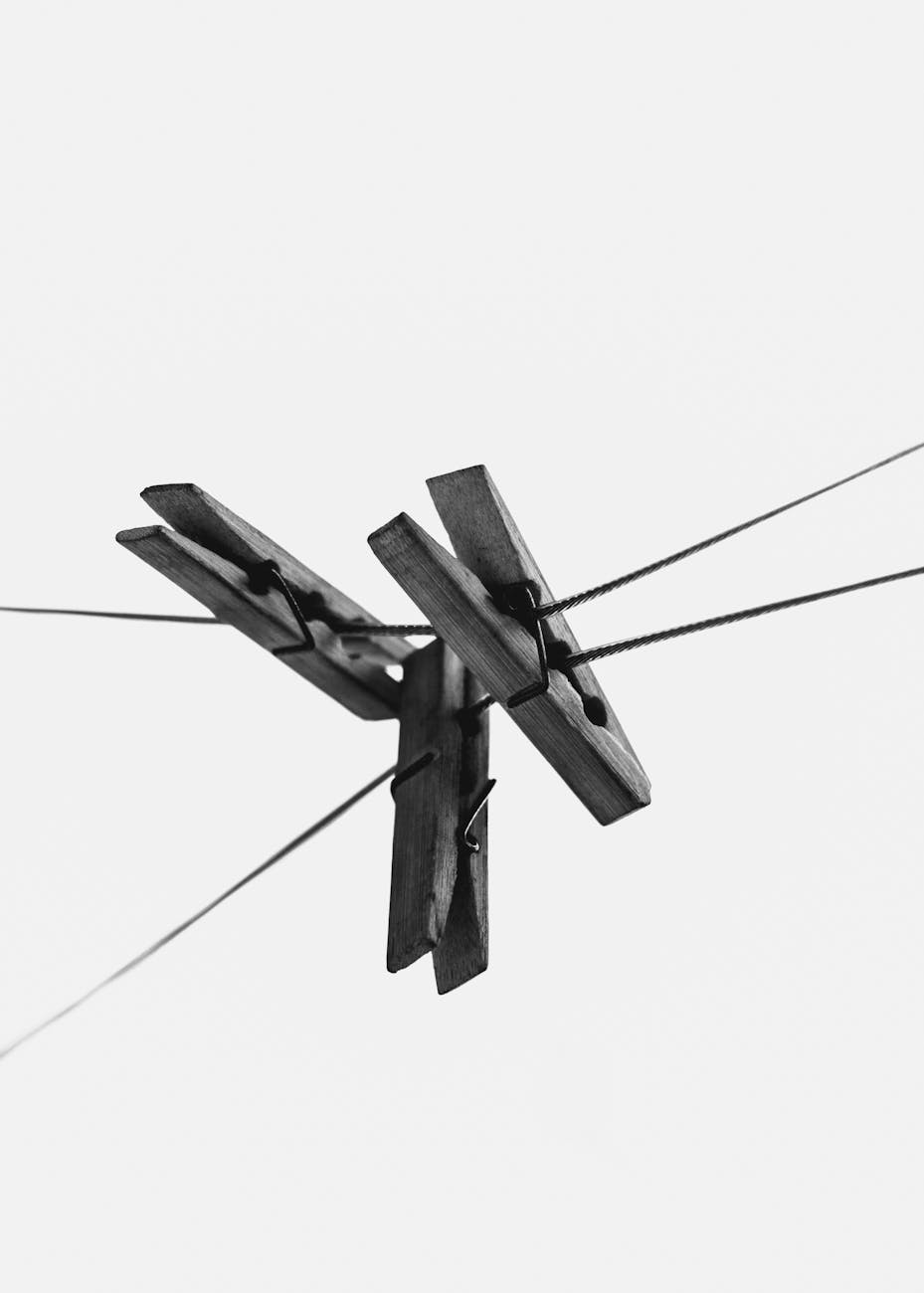
Handmade garment care is important for those items you love. Handmade items are more than just clothing—they’re works of art, crafted with time, skill, and love. Whether it’s a hand-knit sweater, a tailored dress, or a quilted jacket, these pieces carry the unique touch of the person who created it. However, longevity and beauty depend heavily on how they’re cared for. Proper care ensures that handmade garments remain vibrant, structurally sound, and cherished for years, if not generations. In this blog post, we’ll explore why caring for handmade garments matters, outline best practices for washing (both handwashing and machine washing on the delicate cycle), drying (preferably air drying, with tumble drying on low is an option), and ironing (with considerations for different fabric types). We’ll also highlight the care tag included with every handmade purchase, which serves as your guide to preserving these special pieces.

Why Proper Care for Handmade Garments Matters
Handmade garments are distinct from mass-produced clothing. They often use high-quality, natural fibers like wool, cotton, linen, or silk, which require specific care to maintain their texture, shape, and color. Unlike fast fashion, which is designed for short-term use, handmade items are built to last—but only if treated with respect. Improper care, such as tossing a delicate hand-knit sweater into a hot wash cycle, can lead to shrinking, stretching, felting, or fading, ruining hours of craftsmanship in minutes.
Caring for handmade garments also has emotional and ethical significance. These pieces often carry sentimental value, whether they’re heirlooms, gifts, or creations you’ve made yourself. By caring for them properly, you’re honoring the artisan’s effort and the story behind the garment. Additionally, proper care aligns with sustainable fashion principles, reducing waste and extending the life of your wardrobe. In a world dominated by disposable clothing, preserving handmade garments is a small but meaningful act of environmental stewardship.
Finally, proper care saves money in the long run. Handmade garments are often an investment, reflecting the cost of materials and labor. By following care instructions, you protect that investment, avoiding the need for costly repairs or replacements.
Best Practices for Washing Handmade Garments
Washing is the cornerstone of garment care, and for handmade items, it requires extra attention. The primary methods are handwashing and machine washing on the delicate cycle. Both can be effective if done correctly.
Handwashing: The Gold Standard
Handwashing is often the safest method for handmade garments, especially those made from delicate fibers like wool, silk, or fine cotton. It minimizes agitation, which can distort the shape or cause pilling, and allows you to control water temperature and detergent use.
Steps for Handwashing:
- Check the Care Tag: Always start by reading the care tag included with your handmade garment.
- Prepare the Water: Fill a clean basin or sink with lukewarm water (typically 85–100°F or 29–38°C, unless the care tag specifies otherwise). Hot water can shrink wool or fade colors, while cold water may not clean effectively.
- Choose a Gentle Detergent: Use a mild, pH-neutral detergent designed for delicates, such as Woolite. Amazon Associate #ad. Avoid harsh detergents with bleach or enzymes, as these can damage natural fibers.
- Submerge and Soak: Place the garment in the water and gently press it down to ensure it’s fully submerged. Let it soak for 5–15 minutes. Avoid scrubbing or twisting, as this can stretch or felt the fabric.
- Rinse Thoroughly: Drain the soapy water and refill the basin with clean, lukewarm water. Gently press the garment to release soap suds, repeating until the water runs clear. Do not wring the garment, as this can distort its shape.
- Remove Excess Water: Lay the garment flat on a clean towel, roll it up, and press gently to absorb water. Avoid twisting or squeezing.
Handwashing is ideal for delicate knits, embroidered pieces, or garments with loose weaves, as it minimizes stress on the fibers and preserves intricate details.

Machine Washing: Delicate Cycle for Convenience
For those short on time, machine washing on the delicate cycle can be a viable option, provided the care tag permits it. This method works well for sturdier handmade garments, such as cotton or linen pieces, but it’s still gentler than a standard wash cycle.
Steps for Machine Washing:
- Read the Care Tag: Confirm that machine washing is allowed and note any specific instructions
- Use a Mesh Laundry Bag: Place the garment in a mesh laundry bag to protect it from friction and tangling with other items.
- Select the Delicate Cycle: Choose the delicate or gentle cycle on your washing machine, which uses slower agitation and shorter spin times. Set the water temperature to cold or lukewarm, as specified by the care tag.
- Use a Gentle Detergent: As with handwashing, opt for a mild detergent formulated for delicates.
- Avoid Overloading: Wash the garment alone or with a small load of similar colors to prevent friction and color bleeding.
- Skip the Spin Cycle if Possible: If your machine allows, skip or shorten the spin cycle to reduce stress on the garment.
Machine washing is convenient but riskier than handwashing, especially for loosely knit or embellished garments. Always double-check the care tag to avoid mishaps.
Drying Handmade Garments: Air Drying vs. Tumble Drying
Drying is just as critical as washing, as improper drying can cause stretching, shrinking, or misshaping. Air drying is the preferred method, but tumble drying on low is an acceptable alternative for some garments.
Air Drying: The Gentle Choice
This is the safest way to dry handmade garments, as it avoids heat-related damage and preserves the garment’s shape. It’s especially important for wool, silk, and loosely structured knits.
Steps for Air Drying:
- Reshape the Garment: After washing, gently reshape the garment to its original dimensions while it’s still damp. Smooth out wrinkles and align seams or edges.
- Lay Flat or Hang Properly: For knits, lay the garment flat on a clean, dry towel or a mesh drying rack, away from direct sunlight or heat sources (which can fade colors or weaken fibers). For woven fabrics like cotton or linen, you can hang the garment on a padded hanger to air dry, ensuring it’s not stretched out of shape.
- Ensure Good Airflow: Place the drying setup in a well-ventilated area to speed up drying and prevent musty odors. Flip the garment halfway through if laying flat.
- Be Patient: Air drying can take 12–48 hours, depending on the fabric and humidity. Avoid rushing the process with heat sources like hairdryers, as this can cause damage.
Air drying preserves the integrity of delicate fibers and prevents shrinkage, making it the go-to method for most handmade garments.
Tumble Drying on Low: A Backup Option
If the care tag allows, tumble drying on low can be used for sturdier handmade garments, such as cotton or linen dresses. However, it’s riskier than air drying and should be approached cautiously.
Steps for Tumble Drying:
- Check the Care Tag: Ensure tumble drying on low is permitted. Some fabrics, like wool or silk, may explicitly prohibit it.
- Use a Low Heat Setting: Select the lowest heat setting (often labeled “delicate” or “low”). High heat can shrink or weaken fibers.
- Add a Dry Towel: Place a clean, dry towel in the dryer with the garment to absorb moisture and reduce drying time.
- Check Frequently: Stop the dryer every 10–15 minutes to check the garment’s dryness and reshape it if needed. Remove it while slightly damp to prevent over-drying.
- Finish with Air Drying: If possible, let the garment air dry for the final stage to minimize heat exposure.
Tumble drying is convenient but should be a last resort for handmade garments. Always prioritize air drying unless the care tag explicitly allows low-heat tumble drying.

Ironing Handmade Garments: Fabric-Specific Care
Ironing can restore a crisp, polished look to handmade garments, but it must be done carefully, as different fabrics have unique heat tolerances. The care tag will provide guidance, but here’s a general overview of ironing considerations for common handmade garment materials.
General Ironing Tips
- Always Check the Care Tag: It will indicate the appropriate iron setting (e.g., low, medium, high) or whether ironing is safe at all.
- Use a Pressing Cloth: Place a clean, thin cotton cloth or muslin between the iron and the garment to prevent scorching or shiny marks, especially on delicate fabrics.
- Test a Small Area: If unsure, test the iron on an inconspicuous area (like an inside seam) to ensure it won’t damage the fabric.
- Steam Sparingly: Steam is great for removing wrinkles, but too much moisture can weaken delicate fibers or cause water spots on silk.
Fabric-Specific Ironing Guidelines
- Cotton: Most cotton garments can handle medium to high iron settings (300–400°F or 150–200°C). Use steam to smooth out stubborn wrinkles, but avoid prolonged heat to prevent scorching.
- Linen: Linen also tolerates high heat and benefits from steam to relax its natural texture. Iron while slightly damp for best results.
- Wool: Use a low iron setting (200–250°F or 100–120°C) with a pressing cloth. Steam lightly to avoid felting or flattening the fibers. Avoid ironing wool knits, as they can stretch.
- Silk: Iron on the lowest setting (200°F or 100°C) with a pressing cloth, and avoid steam unless the care tag permits it, as water can leave spots. Iron on the reverse side to preserve the sheen.
- Synthetic Blends: Polyester or cotton-synthetic blends typically require low to medium settings. Check the care tag, as some synthetics melt under high heat.
- Embellished or Textured Garments: Avoid ironing directly over embroidery, beads, or delicate stitching. Use a pressing cloth and low heat, or steam from a distance to smooth the surrounding fabric.
If ironing feels risky, consider using a handheld steamer for delicate garments, as it’s gentler and less likely to cause damage.
The Role of the Care Tag
Every handmade garment you purchase from me comes with a care tag, your roadmap to preserving its beauty and longevity. The care tag provides specific instructions tailored to the garment’s materials and construction, including:
- Recommended washing method (handwash or delicate cycle).
- Water temperature guidelines.
- Drying instructions (air dry or tumble dry on low).
- Ironing or steaming guidelines, including safe temperatures.
- Any special precautions, such as avoiding bleach or prolonged soaking.
Following the care tag is crucial, as it accounts for the unique characteristics of the garment, such as its fiber content, weave, or embellishments. If you’re ever unsure, refer to the care tag first—it’s there to guide you and prevent costly mistakes.
Final Thoughts: A Labor of Love Deserves Loving Care
Handmade garments are more than just clothing; they’re expressions of creativity, skill, and care. By washing them gently (via handwashing or the delicate cycle), drying them thoughtfully (preferably air drying, with low-heat tumble drying as an option), and ironing with fabric-specific caution, you can keep these pieces looking and feeling their best. The care tag included with every purchase is your trusted companion, ensuring you have the information needed to care for your garment properly.
By investing a little time and attention, you’re not only preserving the physical beauty of your handmade garments but also honoring the craftsmanship behind them. In doing so, you contribute to a more sustainable, thoughtful approach to fashion—one that values quality, durability, and the human touch.




Leave a Reply