
Hey there! If you’ve ever peeked inside a high-end blouse or dress and marveled at the clean seams—no frayed edges in sight—you might be looking at a French seam. This classic technique has been a staple in garment construction for ages, offering a polished look that’s especially perfect for unlined pieces. In this post, we’ll break down exactly what a French seam is and when it’s the right choice for your next project. Whether you’re a beginner or looking to level up your skills, French seams are a game-changer for that pro-level finish.

What Exactly Is a French Seam?
A French seam is a sewing method that creates a double-stitched seam, fully encasing the raw fabric edges inside the seam allowance. This results in a neat, durable finish that’s invisible from the wrong side of the garment. It is wonderful for exposing the inside without it looking messy. Unlike a standard seam where you just sew right sides together and finish the edges separately, a French seam is sewn twice, which hides those raw edges completely. This makes it especially perfect for unlined pieces!
When to Use French Seams
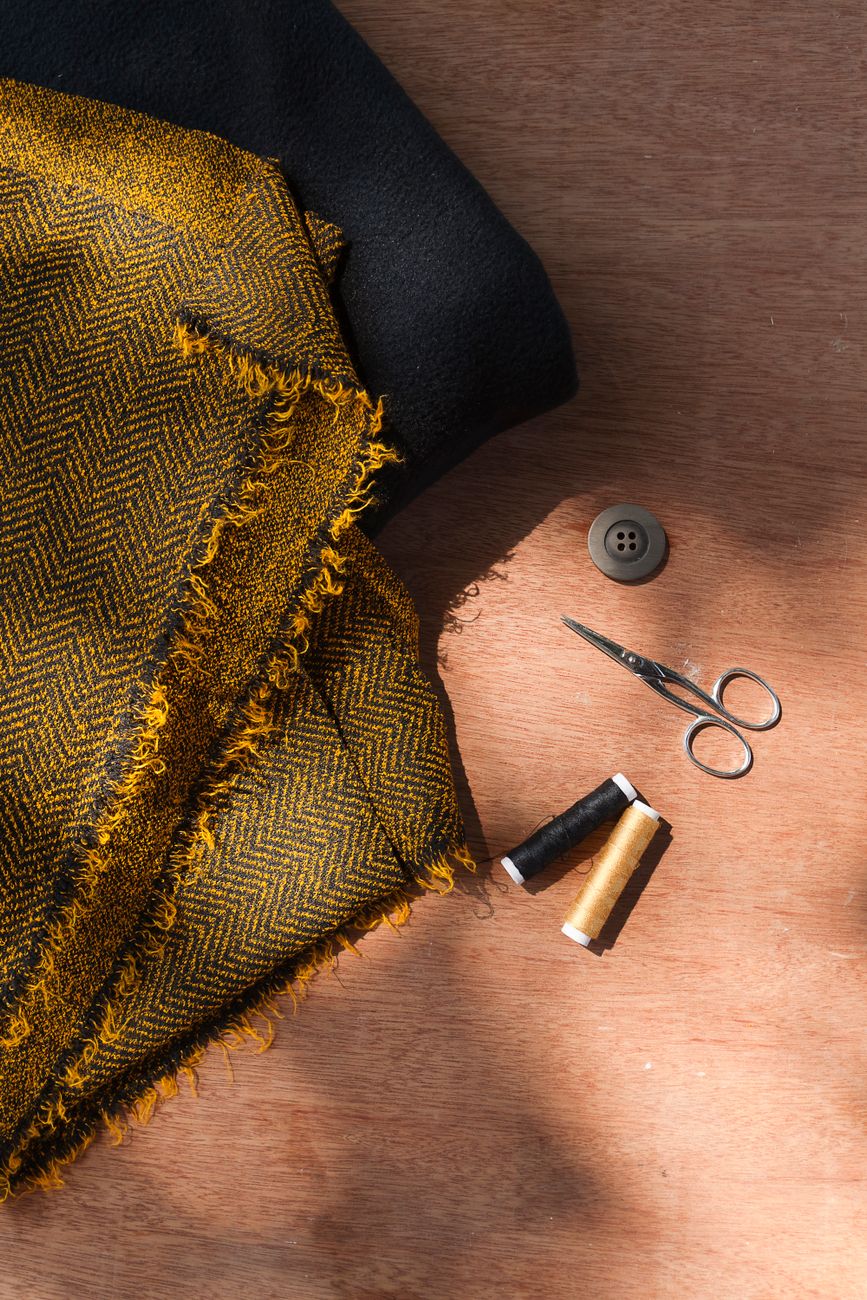
Lightweight or Sheer Fabrics: They’re a dream for delicate materials like silk, chiffon, organza, or lightweight cottons that fray easily. (Amazon Associate) The enclosed edges prevent unraveling and give a high-end, lingerie-like finish without needing a serger. Think blouses, dresses, or scarves where the inside might show.
Unlined Garments: If you’re skipping a lining, French seams provide a clean interior that’s professional and comfortable against the skin. They’re common in shirts, skirts, or pajamas made from mid-weight wovens like linen. French seams give a polished look that’s especially perfect for unlined pieces.
Fray-Prone or Delicate Projects: For fabrics that love to unravel, French seams act as a built-in finish, saving time and reducing waste. They’re also great for heirloom sewing or vintage-inspired designs where a refined look matters.
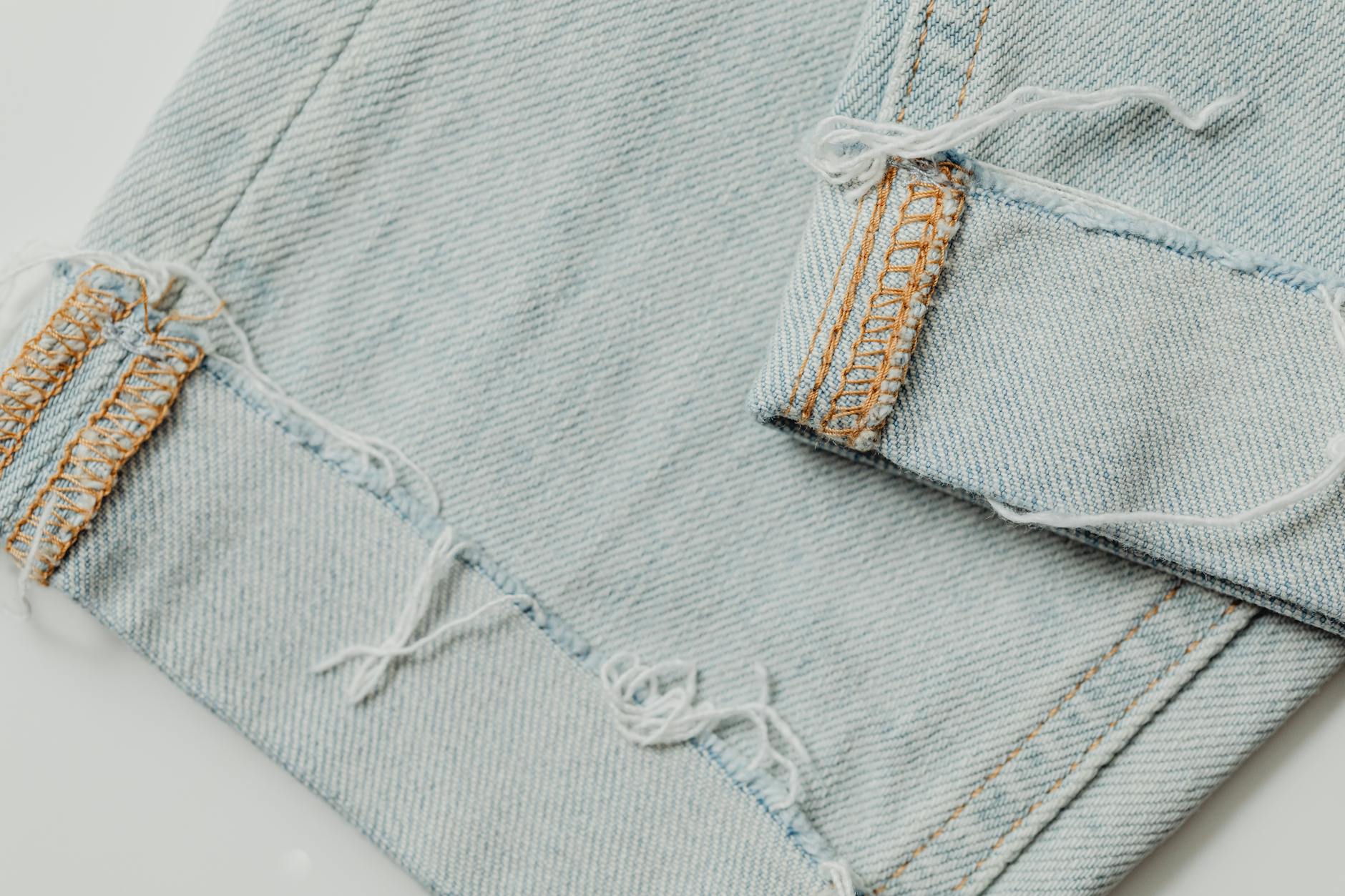
That said, skip French seams for heavy or bulky fabrics like denim or wool coatings—they can add unnecessary thickness. In those cases, consider flat-felled seams or a simple overlock instead.
Pros and Cons at a Glance
Pros: Super clean and durable; no special tools needed; enhances garment quality.
Cons: Requires more seam allowance and time to create. They can feel bulky in thicker fabrics.
Final Thoughts
French seams might take a bit longer than a basic seam, but the payoff is worth it—your garments will have a higher quality look and feel.




Leave a Reply